ICNTM27
International Congress on New Trends in Mechanics
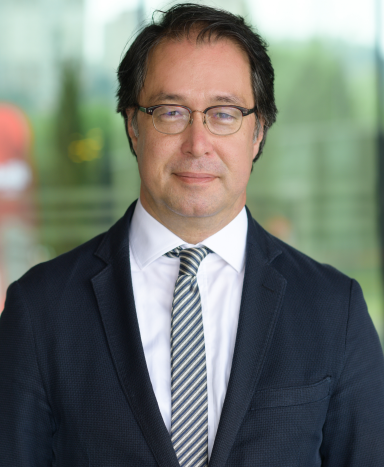
Specializing in Structural/Earthquake Engineering, Alper İlki has been working at Istanbul Technical University since 1993 (currently, as the Head of Civil Engineering Department). He is the author/co-authors of 350+ journal articles/conference papers. He has been involved in research and application projects on Structural and Earthquake engineering, such as the restoration projects of a number of heritage structures such as Hagia Sophia (Istanbul and Nicosia), Divriği Grand Mosque and Edirne Selimiye Mosque. Currently, he is the editor, or editorial board member for Turkish Journal of Civil Engineering, Journal of Structural Engineering, Journal of Composites for Construction and some other scientific journals.
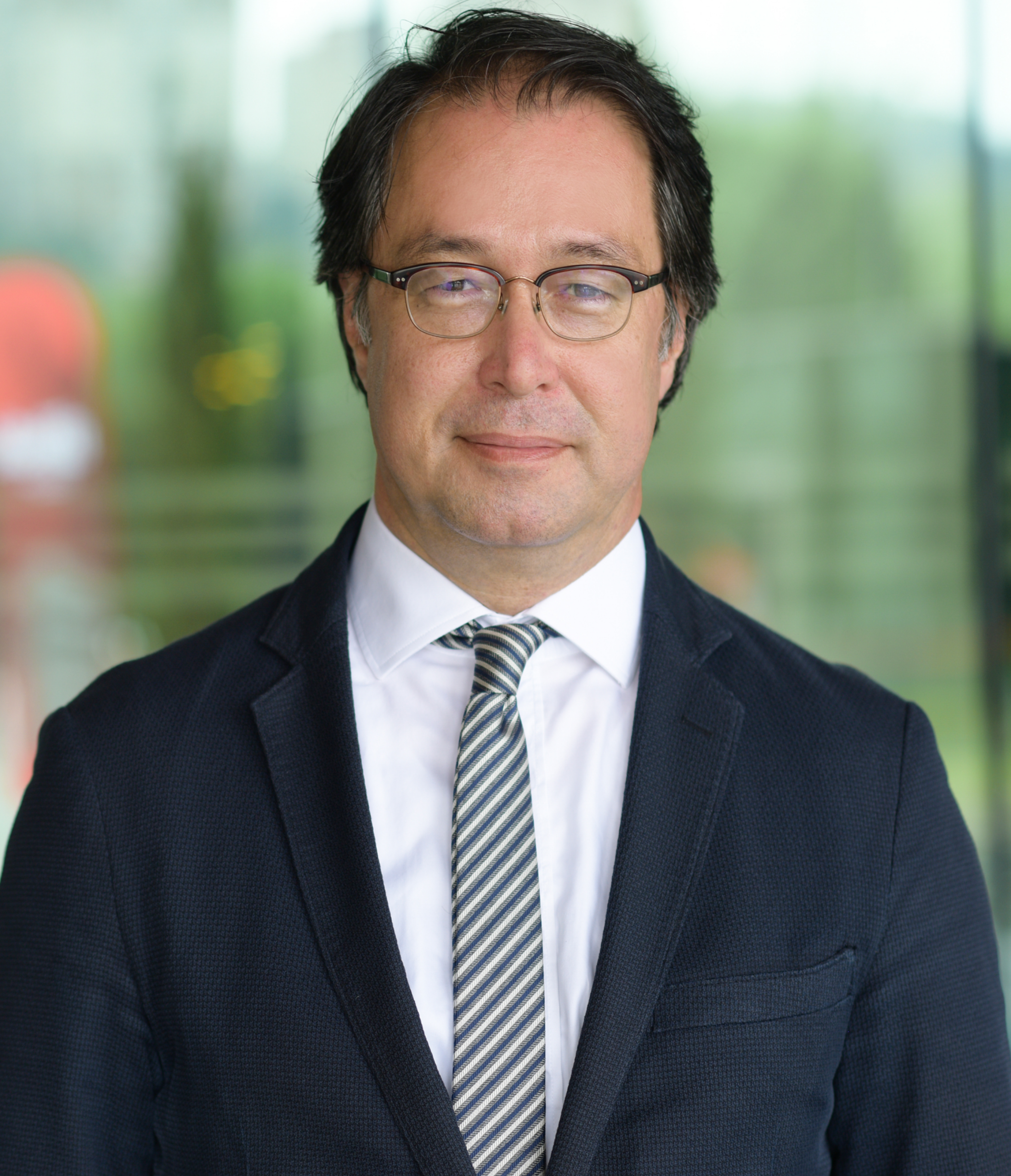
Specializing in Structural/Earthquake Engineering, Alper İlki has been working at Istanbul Technical University since 1993 (currently, as the Head of Civil Engineering Department). He is the author/co-authors of 350+ journal articles/conference papers. He has been involved in research and application projects on Structural and Earthquake engineering, such as the restoration projects of a number of heritage structures such as Hagia Sophia (Istanbul and Nicosia), Divriği Grand Mosque and Edirne Selimiye Mosque. Currently, he is the editor, or editorial board member for Turkish Journal of Civil Engineering, Journal of Structural Engineering, Journal of Composites for Construction and some other scientific journals.
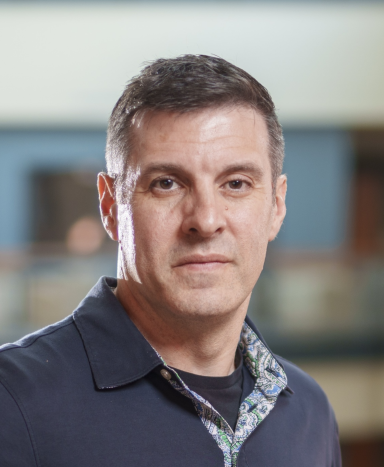
Caglar Oskay is Cornelius Vanderbilt Professor of Engineering, Department Chair and Professor of Civil and Environmental Engineering, and Professor of Mechanical Engineering at Vanderbilt University. Prof. Oskay received B.S. degree in Civil Engineering from Middle East Technical University, M.S. in Applied Mathematics, and M.S. and Ph.D. in Civil Engineering from Rensselaer Polytechnic Institute. Prof. Oskay's research focuses on bringing understanding to nonlinear mechanical response of materials and structures through multi-scale computational modeling and simulation, specifically computational characterization of the failure response of heterogeneous systems that involve multiple temporal and spatial scales subjected to extreme and/or dynamic loading conditions, and development of enabling computational methodologies. More recently, his research focus has been on development of algorithms and methodologies for solving mechanics problems in non-traditional computing platforms. Dr. Oskay served as Program Director for the Engineering for Civil Infrastructure Program at the National Science Foundation between 2019-2021, and expert program director for the Mechanics of Materials and Structures program at NSF in 2024-2025. He is a fellow of ASME, US Association of Computational Mechanics, and ASCE Engineering Mechanics Institute.
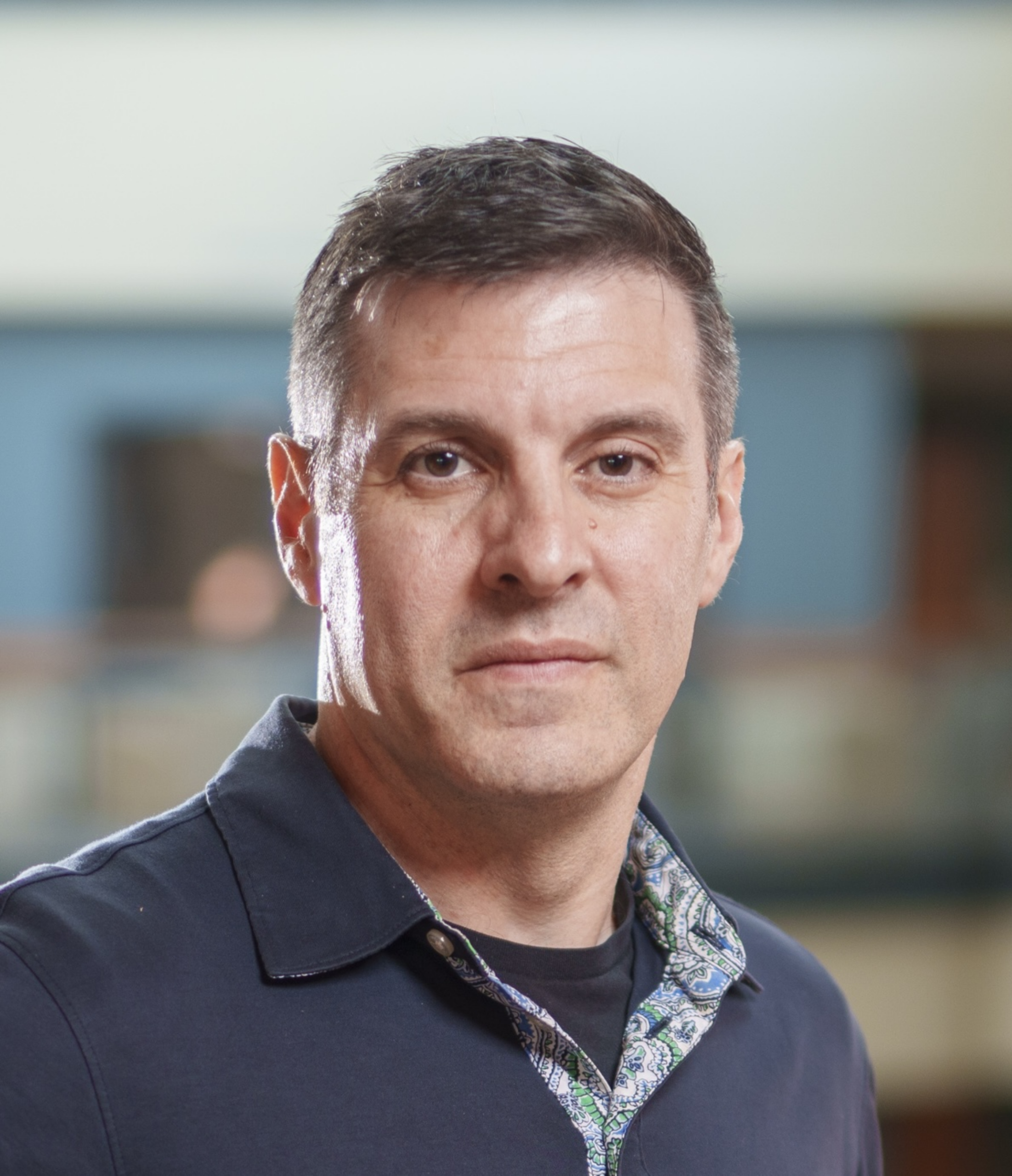
Caglar Oskay is Cornelius Vanderbilt Professor of Engineering, Department Chair and Professor of Civil and Environmental Engineering, and Professor of Mechanical Engineering at Vanderbilt University. Prof. Oskay received B.S. degree in Civil Engineering from Middle East Technical University, M.S. in Applied Mathematics, and M.S. and Ph.D. in Civil Engineering from Rensselaer Polytechnic Institute. Prof. Oskay's research focuses on bringing understanding to nonlinear mechanical response of materials and structures through multi-scale computational modeling and simulation, specifically computational characterization of the failure response of heterogeneous systems that involve multiple temporal and spatial scales subjected to extreme and/or dynamic loading conditions, and development of enabling computational methodologies. More recently, his research focus has been on development of algorithms and methodologies for solving mechanics problems in non-traditional computing platforms. Dr. Oskay served as Program Director for the Engineering for Civil Infrastructure Program at the National Science Foundation between 2019-2021, and expert program director for the Mechanics of Materials and Structures program at NSF in 2024-2025. He is a fellow of ASME, US Association of Computational Mechanics, and ASCE Engineering Mechanics Institute.
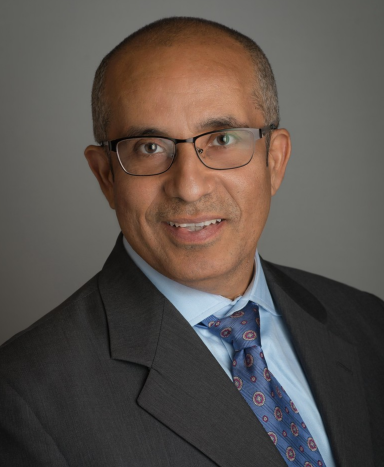
Prof. Basaran received his bachelor's degree from Yildiz Technical University in 1982 and completed his master's degree at METU (Middle East Technical University) in 1985. Continuing his career in the United States, he completed a master's degree in Civil Engineering at MIT in 1988 and worked as a civil engineer in the nuclear industry in Boston, Massachusetts, from 1988 to 1992. After earning his PhD in Engineering Mechanics from the University of Arizona between 1992 and 1994, Prof. Basaran joined the University at Buffalo, where he has been conducting his academic research for 26 years.At this university, he directs the Electronic Packaging Laboratory, and his research focuses on Unified Mechanics, Nanomechanics, Electromigration, and Theoretical Mechanics. As a result of his work, Prof. Basaran has published more than 200 papers in journals and conferences, and has also authored 4 books related to his field.
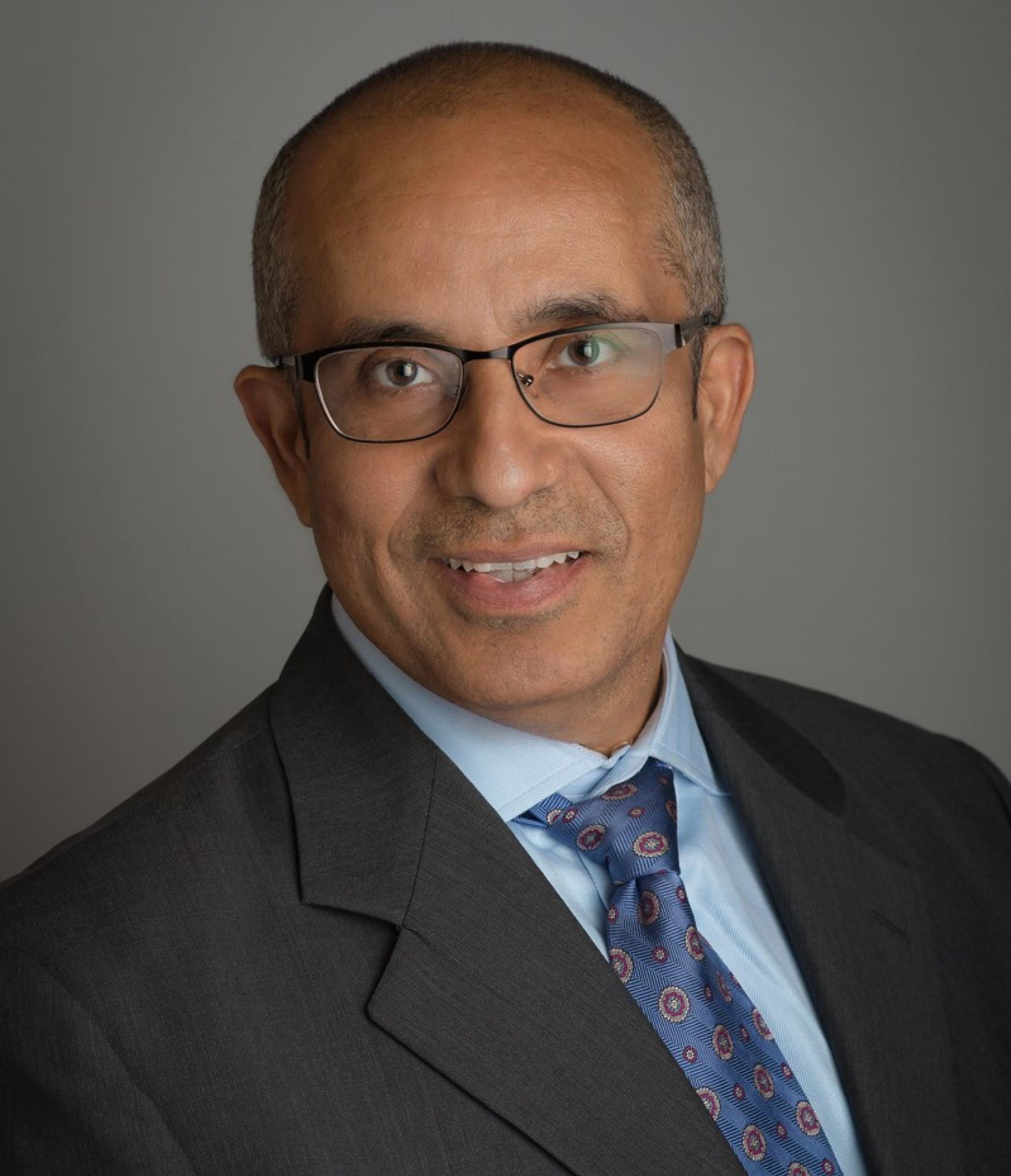
Prof. Basaran received his bachelor's degree from Yildiz Technical University in 1982 and completed his master's degree at METU (Middle East Technical University) in 1985. Continuing his career in the United States, he completed a master's degree in Civil Engineering at MIT in 1988 and worked as a civil engineer in the nuclear industry in Boston, Massachusetts, from 1988 to 1992. After earning his PhD in Engineering Mechanics from the University of Arizona between 1992 and 1994, Prof. Basaran joined the University at Buffalo, where he has been conducting his academic research for 26 years.At this university, he directs the Electronic Packaging Laboratory, and his research focuses on Unified Mechanics, Nanomechanics, Electromigration, and Theoretical Mechanics. As a result of his work, Prof. Basaran has published more than 200 papers in journals and conferences, and has also authored 4 books related to his field.